Dec. 06, 2025
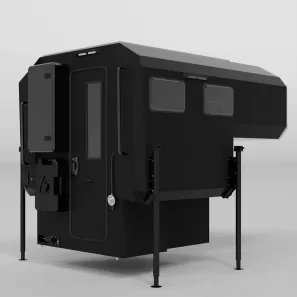
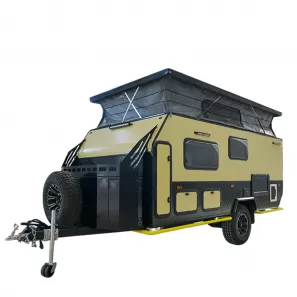
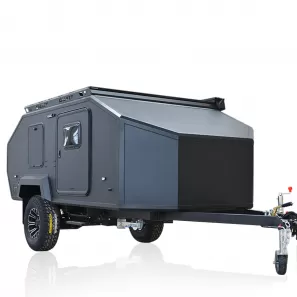
When companies explore mobile accommodation options, we often explain the unique characteristics of a camper van compared to an RV van camper. At Fctrailers, we recognize that each vehicle type suits different business applications, from rental fleets to custom conversions for commercial clients. While both provide mobility and living space, camper vans are compact, easier to maneuver, and often require fewer modifications, whereas RV van campers offer larger interiors, integrated systems, and enhanced comfort for longer journeys. We focus on designing solutions that cater to professional requirements, ensuring reliability, safety, and adaptability in all environments.
Modular Flexibility with Vanbox
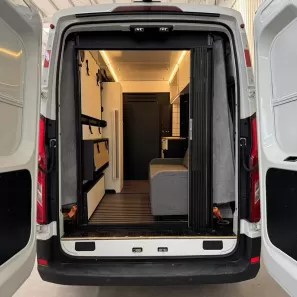
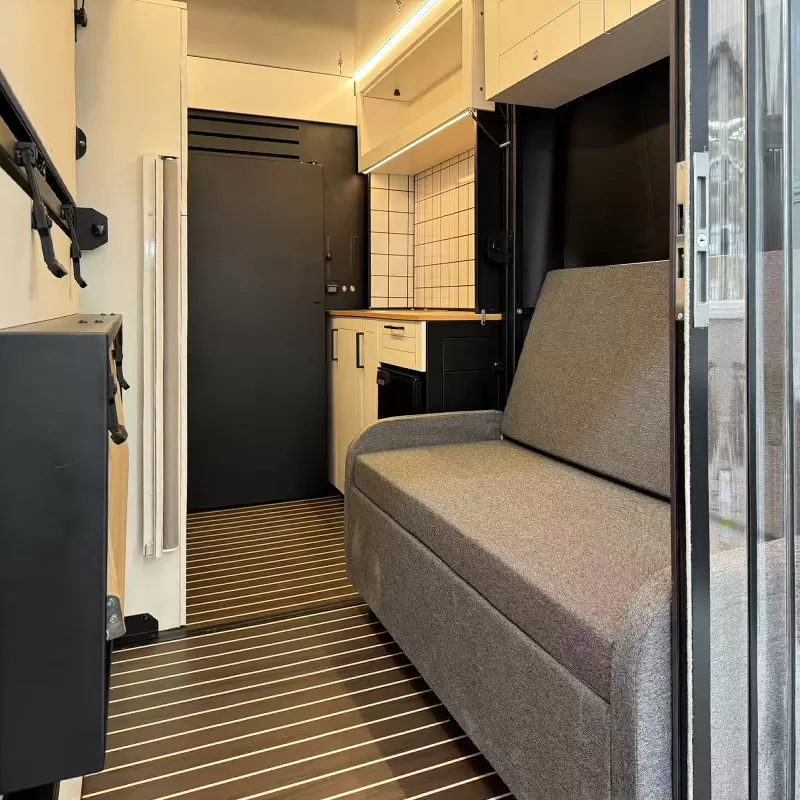
When examining the difference between a camper van and an RV, one key distinction lies in flexibility and scalability. For camper van manufacturers, compact and modular customization is often a top priority, and our Vanbox Modular Camper Conversion System is designed precisely to support that need. It enables manufacturers to equip sleeper modules, kitchen units, storage compartments, and optional bathroom setups using plug-and-play designs—something typically more limited in larger RV structures. Because camper vans use non-structural, removable components that meet global road standards, deployment is fast and compliance straightforward. RVs, in contrast, tend to have fixed, built-in systems that offer more interior space but less modular interchangeability. The Vanbox system’s tool-free snap-lock assembly allows camper vans to be customized rapidly, making them an ideal solution for businesses and camper van manufacturers seeking adaptable, small-footprint mobile living platforms.
Precision Manufacturing and Robust Design
Another major difference between a camper van and an RV lies in construction scale and materials. Camper vans are generally built within compact vehicle bodies, emphasizing efficient use of space and lighter material integration. At Fctrailers, we use CNC-cut Q355B high-strength steel chassis and aerospace-grade aluminum frames to maintain structural rigidity without adding unnecessary weight—ideal for smaller camper van platforms. RVs, however, often feature larger frames, expanded living zones, and heavier multi-room layouts. Both camper vans and RV van campers benefit from our three-layer composite wall panels for insulation and noise reduction, but RVs typically offer more interior volume, larger appliances, and expanded storage. Our ultra-lightweight furniture and precision assembly ensure that camper vans remain maneuverable and practical, while still delivering professional comfort and safety standards.
Dedicated Service and Operational Support
Operational differences also matter when comparing a camper van and an RV. Camper vans are commonly chosen by clients who value ease of driving, fuel efficiency, and agile mobility—making them ideal for short trips, urban travel, or rental fleets. RVs, on the other hand, are designed for extended stays, larger families, and full-featured living spaces, often requiring more maintenance support and logistics planning due to their size. To meet both needs, Fctrailers provides comprehensive after-sales service for operators managing fleets of camper vans or RV van campers. Our round-the-clock maintenance support, warranty coverage, and optimized packing and shipping systems ensure reliability regardless of vehicle type. Whether used in compact camper vans or larger RV platforms, our engineered designs and service systems help businesses deliver consistent comfort and performance to their customers.
Conclusion
Choosing between a camper van and an RV van camper requires careful consideration of operational needs, space requirements, and service flexibility. At Fctrailers, we provide professional-grade modular systems, precise manufacturing, and reliable support, empowering camper van manufacturers and fleet operators to meet client expectations. By understanding the differences and leveraging modular conversion options, businesses can deploy versatile vehicles that enhance efficiency and deliver consistent, high-quality experiences.
Navigation
Leave a Message