Dec. 10, 2025
We often receive questions from customers who want a clear understanding of how compact towable units differ from conventional RV formats. Many users researching products offered by Fctrailers or comparing options from teardrop camper manufacturers want practical clarification on structure, towing expectations, and functional application. When buyers explore a compact teardrop RV, they frequently look for reliable information that supports fleet planning, rental models, or long-term operational use. Our goal is to present these distinctions from a production and performance perspective that aligns with the needs of B2B partners.
Size, Structure, and Interior Logic
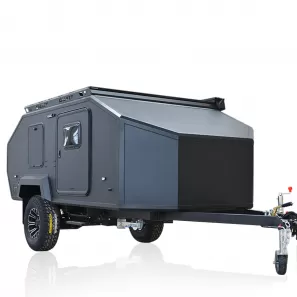
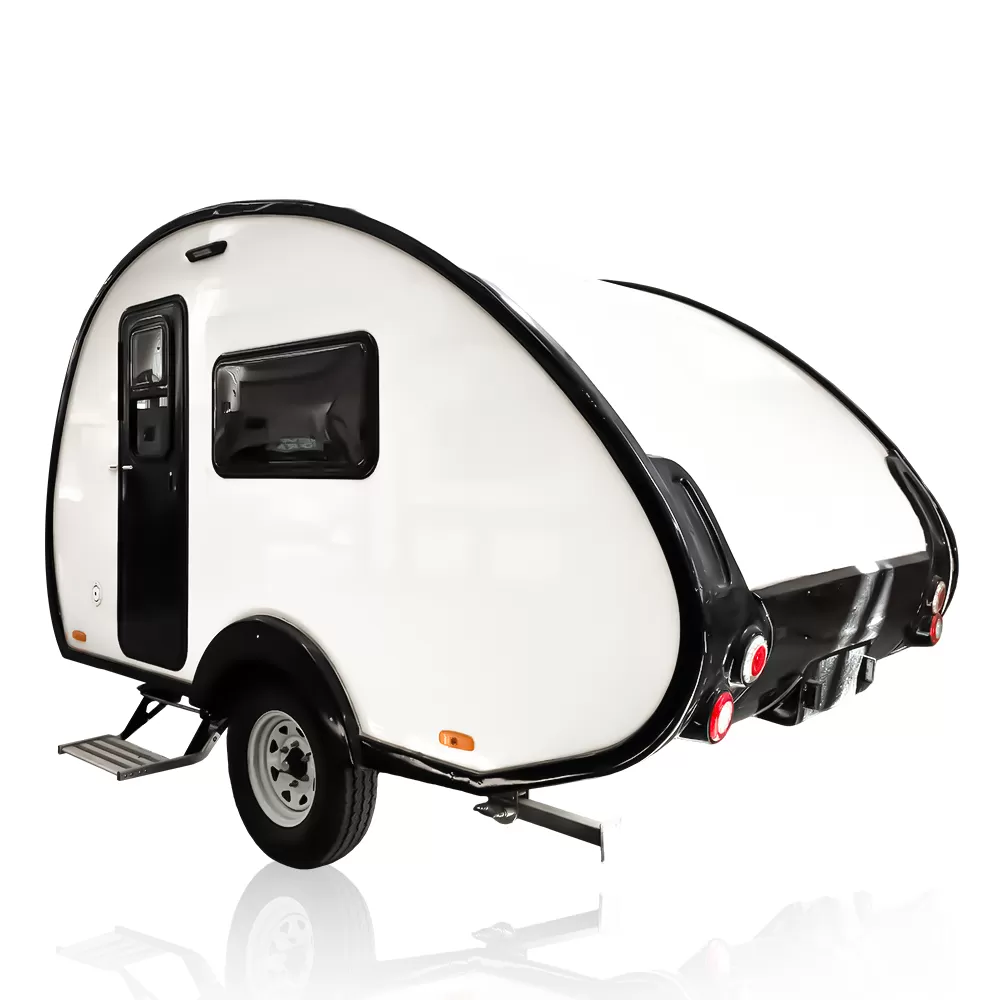
From our manufacturing standpoint, models developed by teardrop camper manufacturers typically follow a streamlined structural principle, while travel trailers adopt a more spacious configuration. A teardrop RV focuses on essential living features arranged within a compact shell, which helps users reduce towing requirements and simplify trip preparation. In our own work at Fctrailers, the Comma-CB Camper Trailer demonstrates this approach through smart space utilization. The unit includes a dedicated sleeping area, effective camper trailer storage, and a compact but fully functional kitchenette. Through CNC-cut Q355B steel chassis construction, aluminum frame welding, and composite wall panels, we maintain structural integrity while keeping the overall footprint manageable.
Towing Experience and Road Performance
When discussing towing behavior, the differences between compact and traditional formats become even clearer. Units from teardrop camper manufacturers generally place emphasis on weight control and aerodynamic performance, giving drivers a more predictable feel on various road types. A teardrop RV usually requires less towing power and provides smoother handling, especially for customers who operate mixed-use routes or rely on smaller tow vehicles. In our design practices at Fctrailers, we incorporate off-road suspension systems and lightweight material combinations to maintain balance and consistency. The Comma-CB Camper Trailer reflects these objectives, offering effortless towing and improved fuel efficiency without compromising durability or stability.
Functional Use and Outdoor Workflow
Operational differences also influence how customers select between these two categories. Many models created by teardrop camper manufacturers adopt outdoor-oriented layouts, while travel trailers center more functions inside the cabin. A teardrop RV commonly integrates a rear kitchenette to support quick meal preparation in outdoor environments. In our Comma-CB Camper Trailer, this layout includes a stove, sink, and organized camper trailer storage, creating a functional space for cooking on the go. This configuration aligns with our long-term development direction at Fctrailers, where mobility, practical utility, and weight control guide key design decisions for diverse market applications.
Conclusion: Identifying the Right Format for Operational Requirements
The choice between a traditional trailer and a unit produced by teardrop camper manufacturers often comes down to each customer’s workflow and travel patterns. A teardrop RV offers mobility and simplicity, while travel trailers provide expanded interior environments. The Comma-CB Camper Trailer demonstrates how compact towable structures can still deliver comfort, intelligent layout, and reliable performance. By refining materials, assembly processes, and quality controls, Fctrailers continues to support partners who require dependable, well-structured solutions for modern travel scenarios and commercial use.
Navigation
Leave a Message